History

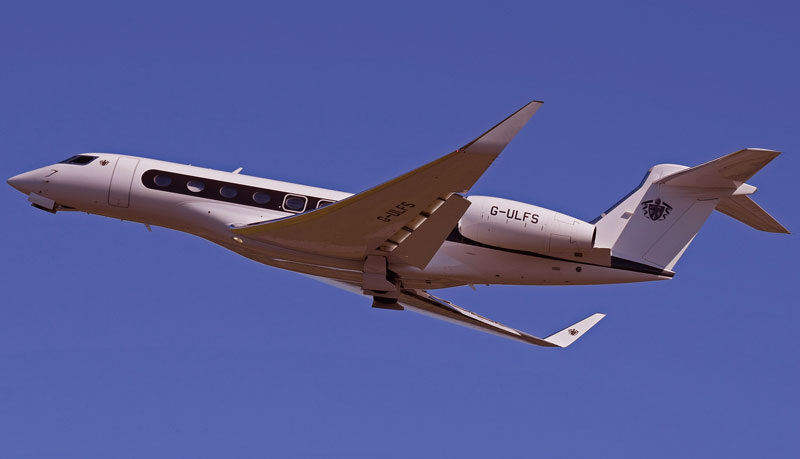
The History of Business Aircraft

When you realize that there are only 500 airfields in the U.S. offering scheduled passenger service, it is no wonder that personal and corporate flights have become an industry in itself. Whether it is the Learjet of a shipping magnate, media mogul with a partly owned Cessna Citation X or the tough talking politician in […]

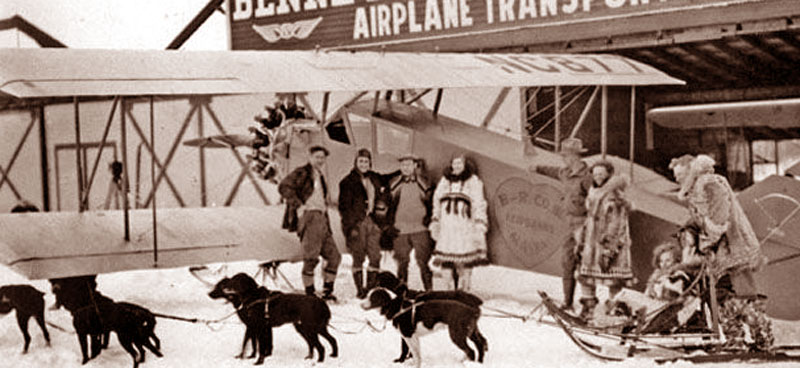
The History of Bush Flying

Remember pilots pictured with silk scarves fluttering in the wind, flying their vintage airplanes on adventures to dangerous corners of the world, saving people? “Busy flying” might be legendary in its illustration, but it is very much alive and true in its representation. One of the last visages of pre-modern aviation, bush flyers are a […]

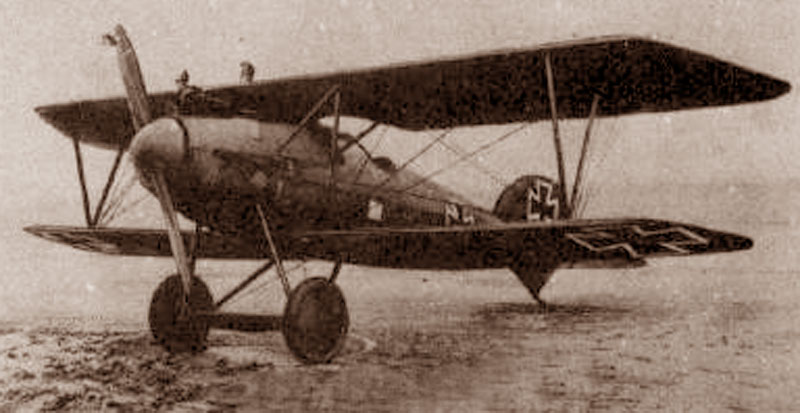
The history of Aerobatic Flight

All eyes below are fixated to the antique World War II as Stearman falls from above, the downward spiral towards disaster. The vintage biplane fell faster and faster still, the growl of its powerful motor grows louder. The pilot was obviously doomed looses control and almost crashed when suddenly, a few inches from the tarmac, […]

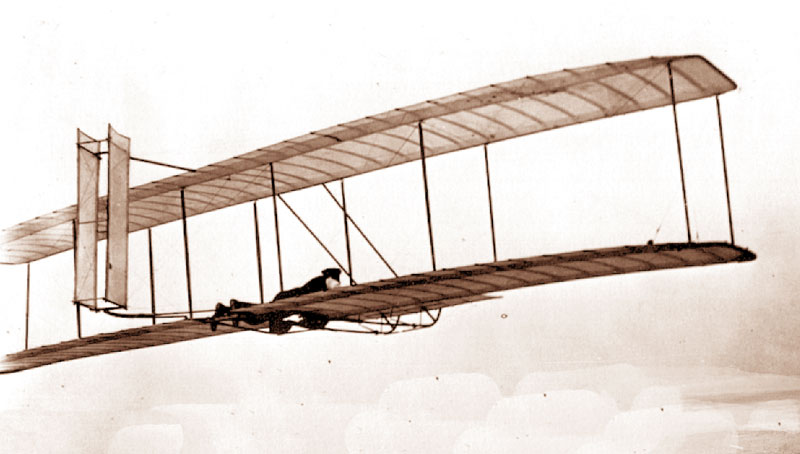
1903 – The Initial Engine Powered Flight

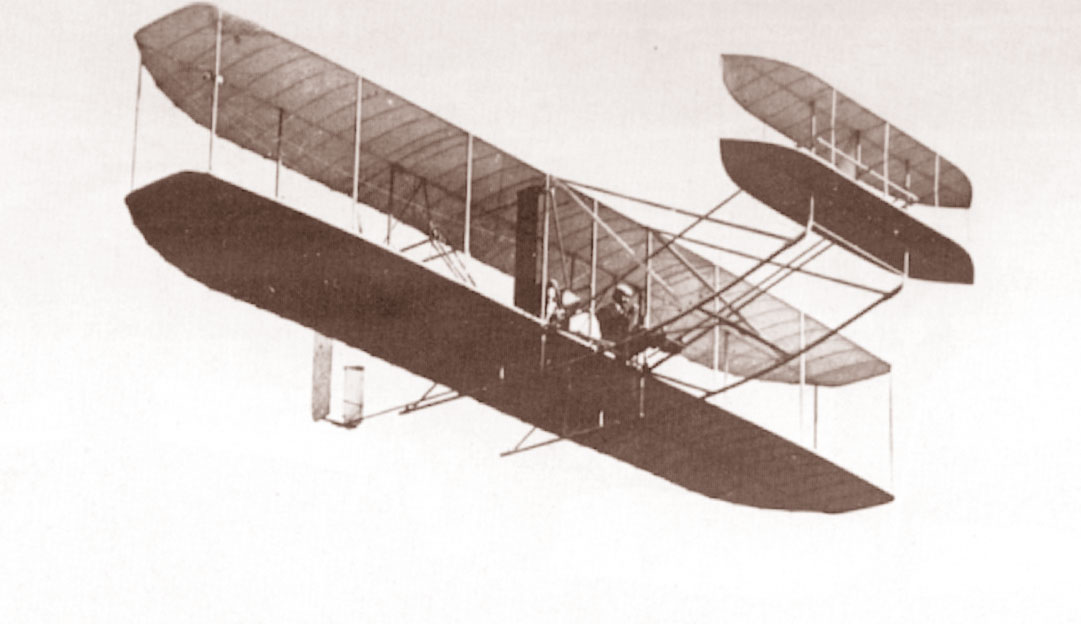
Orville and Wilbur Wright, by June 1903, have completed the design and construction of their power machine. The Flyer’s wingspan was just over 40 feet, over an area of 510 square feet and weighed 625 pounds. The brothers built as much as they could in Dayton, Ohio, and then shipped the rest to Kitty Hawk, […]

The First Military Flyer

Wilbur Wright is a hero after his successful flight to France, August of 1908. The French Parliament and the Aero Club of France, the brothers awarded medals in their honor. Wilbur broke several distance, altitude and duration records before the end of that year. Wilbur allowed more than 40 passengers in altitude during that time; […]

The History of Airway Lighting and Radar Navigating Aids

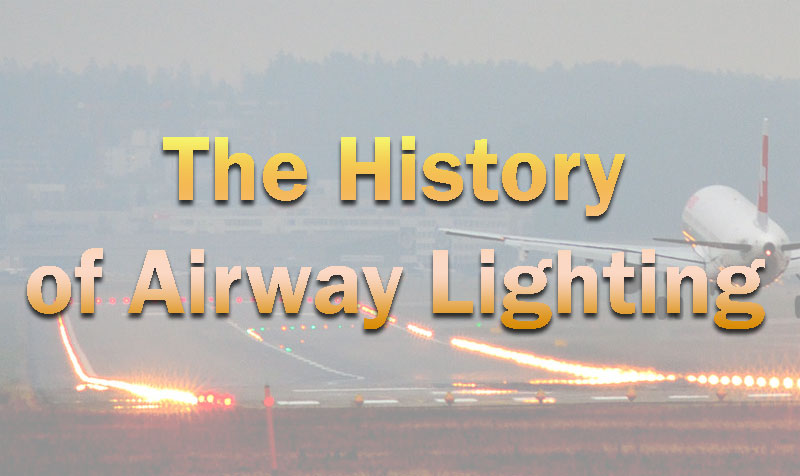
There were no navigational aids, during the beginning days of flying, to help the pilots navigate. The pilots flew watching their window of the cockpit or visual cues with map in hand. These visual cues also called as maps were acceptable for the day flights, but airmail would operate at all hours. In July 1923, […]

The Earliest Airports

Open spaces such as racetracks, golf courses, polo fields and fairgrounds made for the earliest airfields. These offered flat and smooth surfaces with predictable winds, which were essential for initial gliders and fixed-wing aircrafts to take flight. Together with locations situated on prairies or close to water where winds could be predicted, Kill Devil Hills, […]

National Advisory Committee for Aeronautics (NACA)

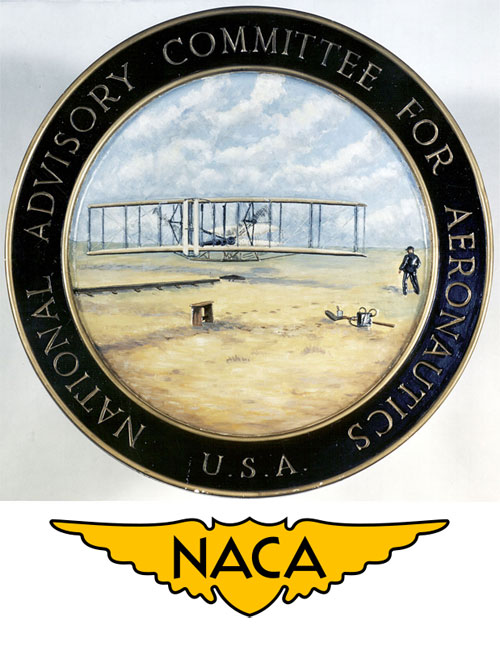
National Advisory Committee for Aeronautics or NACA was founded on 1915.  Its main purpose was to do pioneering research on the field of Aeronautics to improve the quality and the quantity of flight and also to regulate the academic and technological work on Flight Related Issues. As NACA got off a start, its purpose would […]

History of Ornithopters and Helicopters

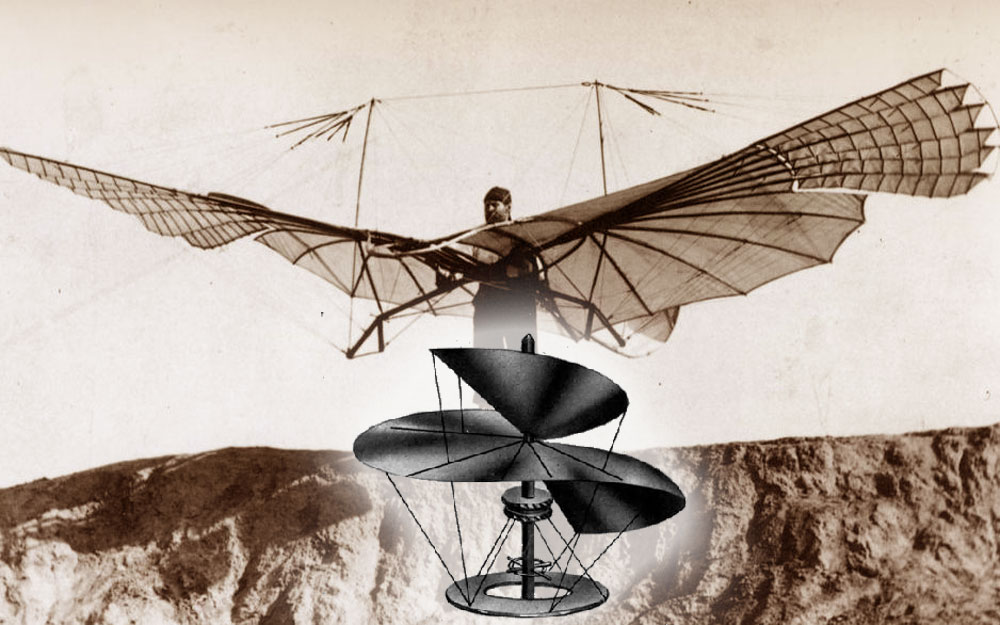
One of the first designed or at least imagined flying machines was the ornithopter. In essence, when mankind gazed at the skies, he saw that the birds were flying and thus mankind realized if he wanted to have the domain of the skies, he would have to fly like a bird. Thus since the dawn […]

Evolution of Aircraft Landing Assistance Devices

The most tedious tasks for a pilot to perform are to make a soft landing and to do it safely. Initially pilots used to land on open fields and used to maneuver the plane in a direction that gave them a better angle relative to the direction of the wind. Aides to the landing have […]

Lihat Postingan Lainnya